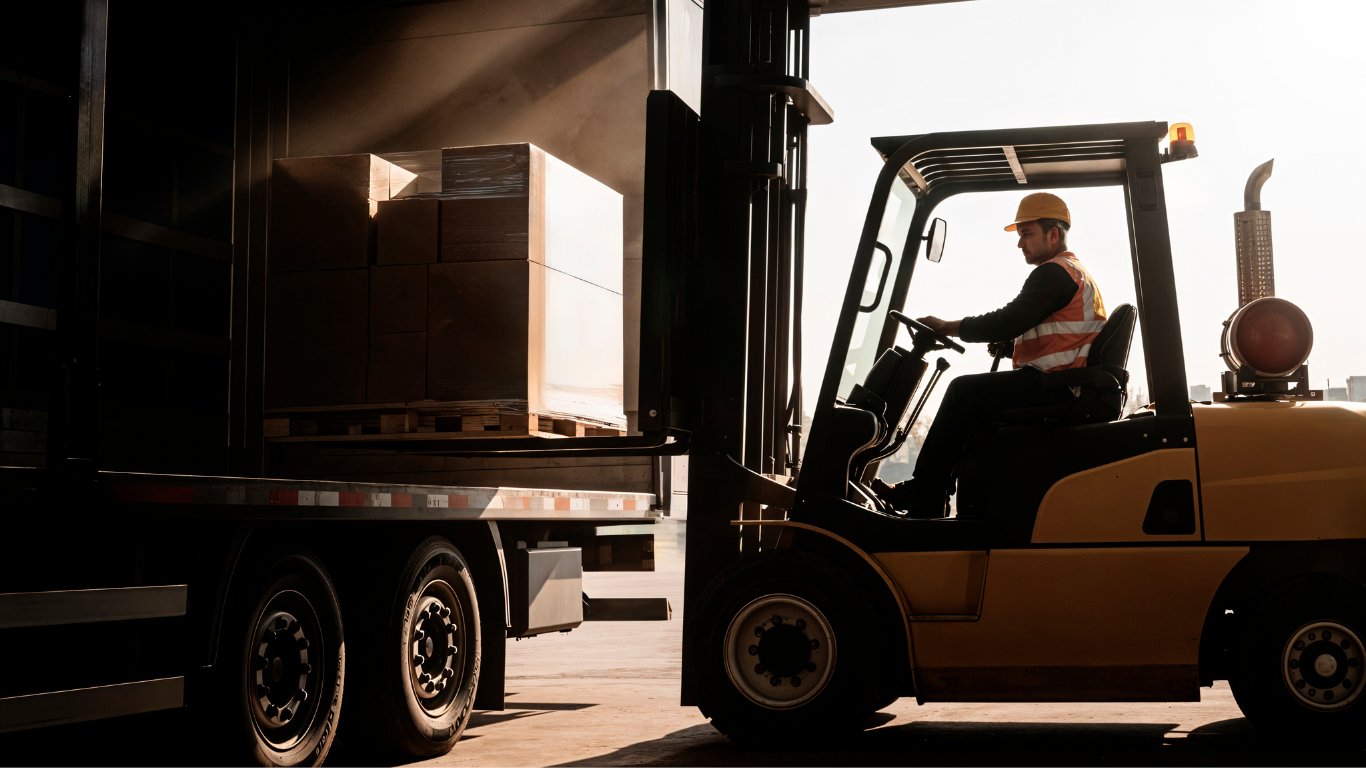
Machine industry equipment forms the backbone of manufacturing, construction, logistics, and countless productive sectors across Mexico. From forklifts moving tons in Monterrey warehouses to aerial platforms building new industrial developments in the Bajío region, these equipment units determine productivity, safety, and competitiveness of enterprises.
However, navigating the industrial equipment sales and rentals market in Mexico presents unique challenges: overwhelming variety of equipment, decisions between buying or leasing, specialized maintenance requirements, and the need for reliable equipment supply company partners with available inventory and technical support.
This comprehensive guide explains everything manufacturing companies, construction firms, developers, and logistics operators need to know about machine industry equipment: equipment types, specific applications, purchasing considerations, maintenance strategies, and market trends in Mexico for 2026.
Machine industry equipment encompasses all mechanical, electrical, hydraulic, or pneumatic systems designed to perform specific tasks in production, logistics, or construction processes. This equipment amplifies human capacity, increases precision, improves safety, and multiplies operational productivity.
Unlike manual tools or office equipment, industrial machinery is characterized by:
In the Mexican context, industrial equipment sales and rentals have grown consistently linked to manufacturing expansion, nearshoring, and infrastructure development. States like Nuevo León, Querétaro, Guanajuato, Estado de México, and Jalisco concentrate the highest demand for this equipment.
The classification of machine industry equipment can be approached from multiple perspectives: function, industry, power source, or mobility. Below are the main categories relevant for businesses in Mexico:
This category dominates the Mexican machinery solutions market, being essential for manufacturing, logistics, and distribution.
Typical applications: Warehouses, distribution centers, manufacturing plants, ports, intermodal terminals.
Versatile equipment combining load capacity with vertical and horizontal reach. Typical capacities: 2.5 to 5 tons, heights of 33 to 56 feet.
Applications: Construction, agriculture, events, material handling on uneven terrain.
Fundamental for construction, industrial maintenance, and structural assembly.
Key features: Electric for indoor use, diesel/gas for outdoor applications, compliance certifications.
Heavy-duty tractor units. 400-600 HP engines, automated transmissions, sleeper cabins for long-haul routes.
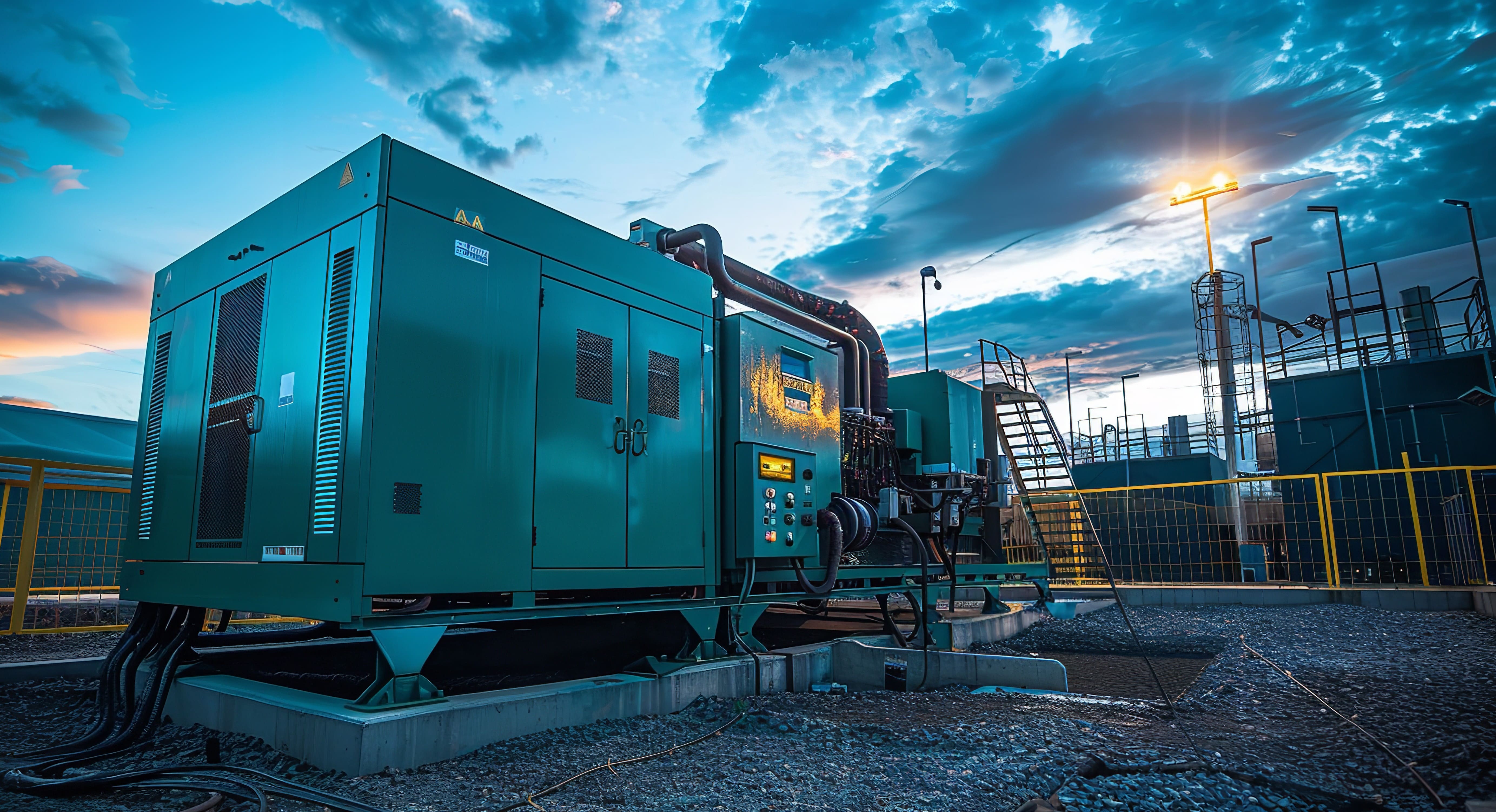
From 20 kVA for small projects to 2,000+ kVA for complete industrial backup. Dominant brands: Cummins, Caterpillar, Wacker Neuson, Generac.
Critical applications: Data center backup, hospitals, continuous manufacturing, remote construction.
Portable tanks from 5,000 to 21,000 gallons for temporary storage of water, chemicals, fuels, or industrial fluids. Essential in oil, mining, and construction projects.
Looking for industrial equipment with immediate availability? View available inventory
Machine industry equipment has specific applications depending on the sector. Understanding these uses helps companies identify priority equipment:
Essential equipment:
Specific cases: Automotive plants (Monterrey, Guanajuato, Aguascalientes), electronics (Jalisco, Baja California), aerospace (Querétaro).
Applications: Commercial buildings, industrial facilities, road infrastructure, wind and solar parks.
Trend: Nearshoring drives demand for logistics equipment in industrial corridors (Monterrey-Laredo, Mexico City-Veracruz, Guadalajara-Manzanillo).
One of the most important decisions in industrial equipment sales and rentals is determining whether to purchase or lease. Both options have advantages depending on operational and financial context:
General recommendation: Purchase for core equipment (daily use), rent for specific or fluctuating needs.
Need advice on purchasing or renting? Contact us via WhatsApp
The industrial equipment sales and rentals market in Mexico presents unique characteristics that buying companies should consider:
New Machinery:
Pre-Owned Machinery (USA Imports):
Most industrial machinery in Mexico is imported (primarily from USA). Key aspects:
Specialized equipment supply company: Companies like Industrial Basanlo manage the entire import process, customs clearance, and door-to-door delivery, eliminating complexity for the buyer.
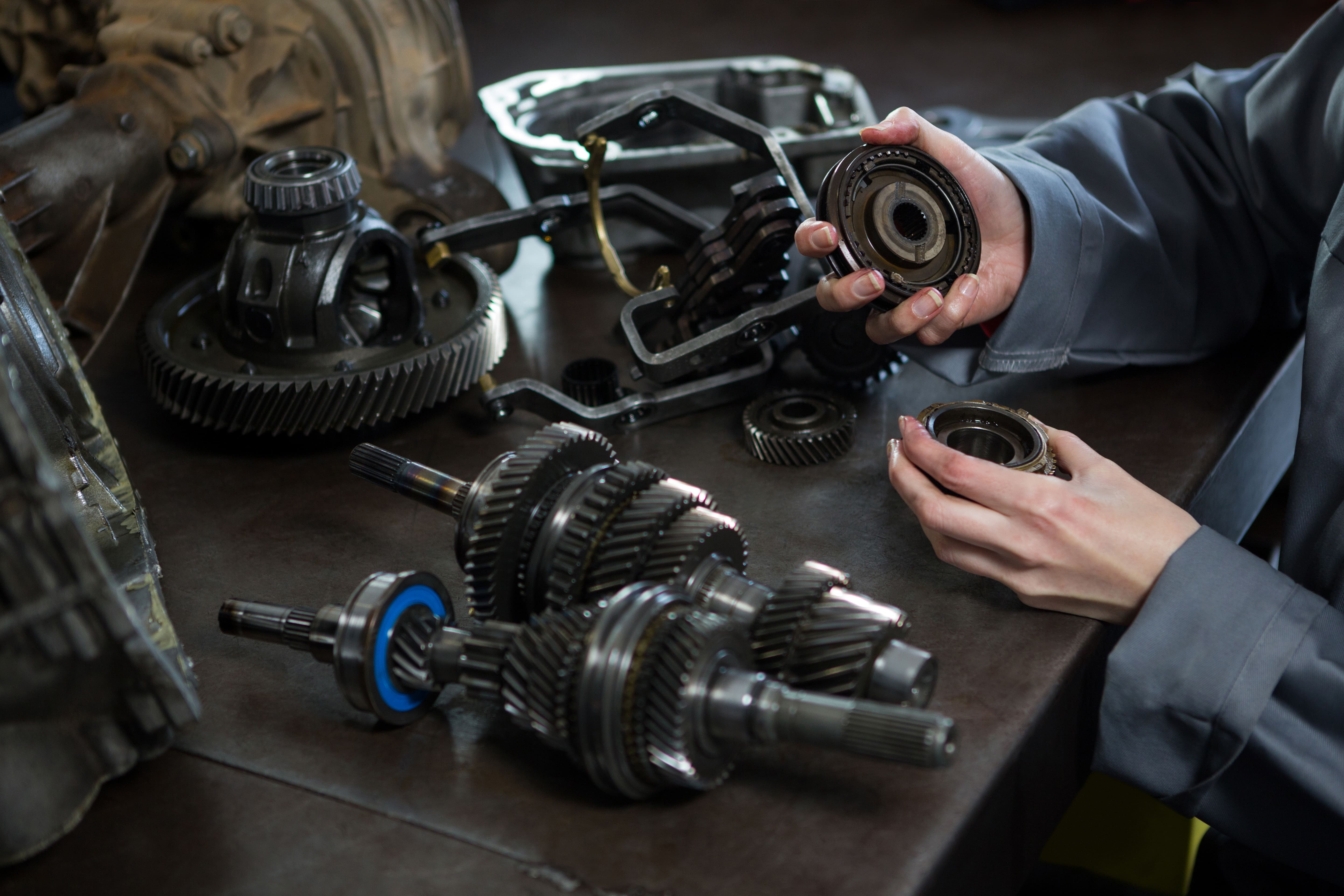
Proper maintenance determines service life, availability, and return on investment of machine industry equipment. There are three main approaches:
Scheduled services based on operating hours or calendar. Essential for ensuring availability and preventing catastrophic failures.
Typical intervals:
Estimated cost: 2-5% of equipment value annually.
Condition monitoring through technology (oil analysis, thermography, vibration analysis) to anticipate failures before they occur.
Common applications:
ROI: Reduces catastrophic failures 40-60%, ideal for fleets of 10+ units.
Repairs after failures. More expensive than preventive maintenance and generates unplanned downtime.
Recommended strategy: Minimize corrective through robust preventive. Maintain inventory of critical parts to reduce response times.
Looking for equipment with guaranteed technical support? Learn about our services
Choosing the right equipment supply company is as important as selecting the right equipment. Fundamental criteria:
Value-added example: Comprehensive machinery solutions providers like Industrial Basanlo in Monterrey offer complete services: from equipment sourcing in USA, import, delivery, to rental and sales options with continuous technical support.
The Mexican machinery solutions market is being transformed by global and local factors:
Electric forklifts dominate new installations (75% market share). Advantages: zero indoor emissions, lower operating cost (electricity vs. diesel/LP), less maintenance, quiet operation.
Expansion to other equipment: Electric aerial platforms, hybrid telehandlers, electric semi-trucks (pilot in urban fleets).
Manufacturing relocation from Asia increases equipment demand in Mexico. Benefited sectors: automotive, electronics, medical devices, aerospace.
Impact: Shortage of available equipment in secondary market, 10-20% price increases, opportunity for suppliers with rapid import capacity.
Regulatory pressure drives retirement of old diesel equipment. Multinational companies require suppliers to reduce carbon footprint, accelerating adoption of electric equipment or Tier 4 Final diesel.
Machine industry equipment is not just tools: they are strategic investments that determine competitiveness, productivity, and business profitability. In Mexico's 2026 market, characterized by accelerated nearshoring, sustainability pressures, and digital transformation, making informed decisions about industrial equipment sales and rentals requires:
Industrial equipment sales and rentals in Mexico will continue growing driven by foreign direct investment and manufacturing expansion. Companies that build solid relationships with specialized machinery solutions providers, invest in maintenance, and adopt technology will be better positioned to capture opportunities in this new industrial era.
POWER YOUR OPERATIONS WITH QUALITY INDUSTRIAL EQUIPMENT
Industrial Basanlo - Equipment Sales and Rentals in Monterrey
From aerial platforms to semi-trucks, find the equipment your company needs with immediate availability and personalized service.
Ask for available inventory here or contact us via WhatsApp


.png)

