Semi Truck vs. Straight Truck: Differences and Fleet Fit
September 3, 2026
A semi truck is the power unit that pulls a semi-trailer through a fifth wheel connection, while a straight truck carries its cargo directly on its own chassis. This distinction shapes the licensing, capacity and maintenance needs of any commercial fleet.
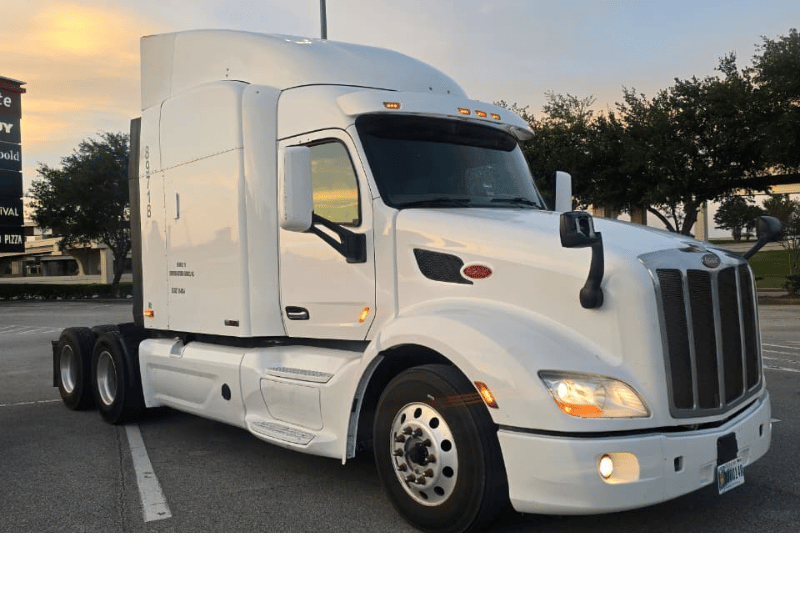
A semi truck, also called a tractor truck, is a power unit with no cargo box of its own. Its job is to hitch and pull a semi-trailer through the fifth wheel, the mechanism that transfers pulling force along with the electrical and air connections between the two units. Because of this, the same tractor can rotate across different trailers depending on the day's load: Flatbed, dry van, refrigerated box or tanker, among others.
A straight truck, by contrast, integrates the cab and the cargo body on a single chassis. All the freight travels on the truck's own structure, with no need for a separate trailer. Straight trucks are also commonly split into light-duty and heavy-duty classes by gross vehicle weight: This split determines what roads a unit can run on and what license class its driver needs.
Semi truck and straight truck head to head
Before comparing a semi truck vs. straight truck in detail, this quick view sums up each unit's profile.
Semi truck
Pulls an independent semi-trailer through a fifth wheel
Carries no cargo of its own
Best fit for long routes and bulky loads
Requires a license class rated for articulated combinations
Lets you rotate across several trailers
VS
Straight truck
Cab and cargo body built on a single chassis
Carries the load directly on its own structure
Best fit for urban and regional distribution
License requirement based on the unit's gross weight
If you prefer to see it broken down by feature, this table lays out the same differences.
Feature
Semi truck
Straight truck
Setup
Power unit with a fifth wheel, pulls a semi-trailer
Cab and cargo body built on the same chassis
Cargo
Carries no cargo of its own, the load sits on the trailer
Carries the load directly on its own structure
Typical use
Long haul, project loads, trailer swaps
Urban or regional distribution, short recurring routes
License needed
Commercial license rated for articulated, heavy combinations
Commercial license rated for the unit's weight class
Operational flexibility
High, one tractor rotates across several trailers
Lower, the whole unit is tied to a single job
To see real specifications before deciding, check this 2017 International Prostar tractor truck for sale, listed with verified specs. Whether you are comparing an International Prostar or a Peterbilt 579, the fundamentals in this guide apply to any semi truck.
When a semi truck fits your fleet
A semi truck is the right call when your operation depends on long routes, heavy loads or the ability to swap trailers without parking the power unit.
Interstate or long-haul routes, where engine performance and range matter more than tight urban maneuvering.
Project loads, such as industrial equipment, construction materials or containers, that require specialized trailers like flatbeds or dry vans.
The need to rotate several trailers behind one tractor, so the power unit is never idle during loading or unloading.
Planned fleet growth, where it makes sense to invest in tractors that adapt to different cargo types over time.
A straight truck is usually the more practical choice for urban or regional distribution, with short, recurring routes. Since it does not rely on a separate trailer, it maneuvers more easily and tends to be simpler to maintain.
Last-mile deliveries or distribution within a metro area.
Moderate weight and volume loads that do not justify a full semi-trailer's capacity.
Operations where a single unit covers the whole cycle, with no need to swap trailers.
Fleets looking to simplify maintenance and shorten the learning curve for new drivers.
Renting or buying: What fits your project
The choice between renting and buying mostly comes down to how long the project lasts and how consistent the need is. Before deciding, calculate three things: How long you will actually need the equipment, what it costs to keep it running, and how often the type of cargo you haul changes.
Rent if...
Your project has a defined end date
You would rather not tie up capital in a temporary asset
You need to cover a one-off spike in demand
Buy if...
The need is recurring and spans several years
The equipment will run constantly in your operation
You want to build a long-term fleet asset
Basanlo offers rental and sales under one provider, so you can weigh both options without switching contacts. Browse the available equipment rental options, or explore our current used tractor trucks for sale.
Frequently asked questions about semi trucks and straight trucks
What is the difference between a semi truck and a straight truck?
A semi truck pulls an independent semi-trailer through a fifth wheel connection and carries no cargo of its own. A straight truck integrates the cab and cargo body on one chassis and carries the load directly.
Is it better to rent or buy heavy equipment for a 6-month project?
For a defined six-month project, renting is usually the more efficient choice because it avoids tying up capital in equipment you will stop using once the project closes. Buying makes more sense when the need is recurring and spans several years.
What should I check before buying a used semi truck?
Check the mileage, the maintenance history, the condition of the engine and transmission, and confirm the listed specifications match what the seller has published.
What license do you need to drive a semi truck?
Drivers need a commercial license class rated for articulated, heavy combinations. Requirements vary by country and state, so confirm the exact class with your local licensing authority.
Ready to choose the right equipment for your fleet?
Get a quote online or text us on WhatsApp. We reply every day.

.png)


.png)

